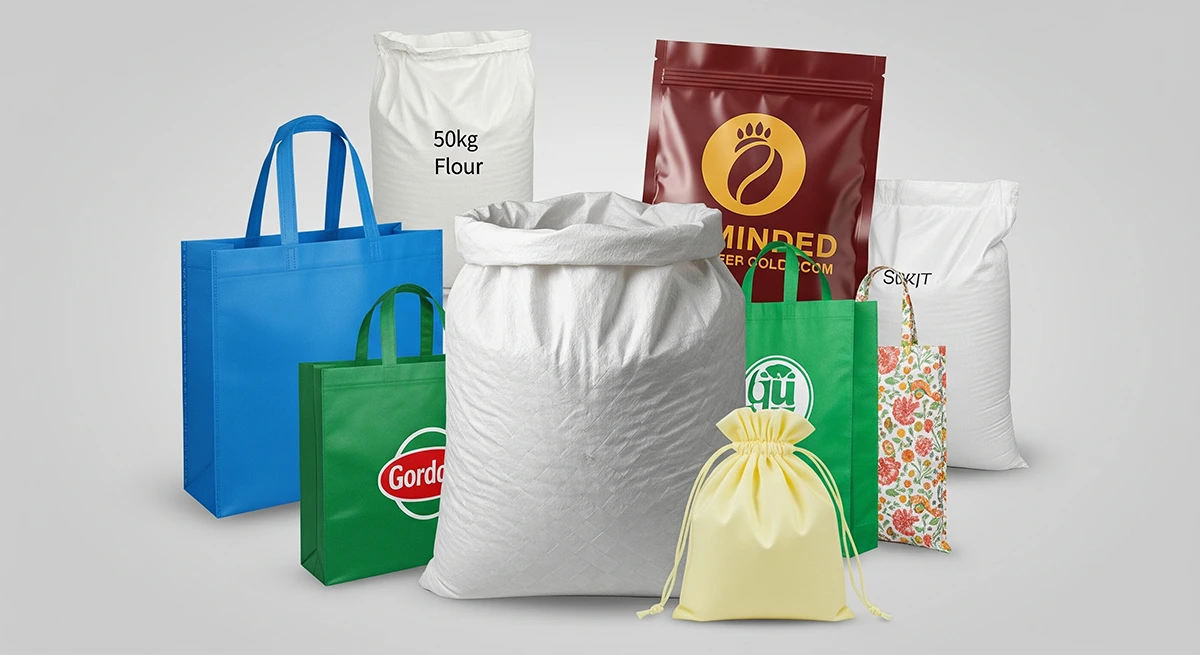
Rice may appear shelf-stable, but its quality can still be affected by humidity, oxygen, odors, pests, and contamination during storage and distribution. Packaging therefore plays a critical role in protecting the product from the time it leaves the filling line until a consumer prepares the final serving.
Effective rice packaging should combine an appropriate barrier structure with reliable seals, durable construction, and practical consumer features. The correct solution depends on the variety of rice, package size, intended shelf life, distribution environment, and whether the product will be sold in stores or shipped directly to customers.
Flexible packaging gives rice brands numerous format and design options, including stand-up pouches, flat-bottom bags, and resealable packages. Whatever format is selected, the material and seals must work together to help preserve freshness and reduce exposure to outside conditions.
High‑Barrier Films That Shield Rice From Moisture and Contamination
Moisture is one of the most important concerns when packaging dry rice. If the product absorbs humidity during storage, its texture, appearance, flow, and cooking performance may change. Excess moisture can also create conditions that increase the risk of spoilage.
High-barrier films help limit the transfer of water vapor through the package. Packaging engineers evaluate moisture vapor transmission rate when selecting a structure, along with the product’s target shelf life and expected storage conditions. A brand distributing rice in a humid climate may need different barrier performance than one serving a dry regional market.
Oxygen protection can also be important, particularly for specialty rice varieties that contain more naturally occurring oils or are marketed for a distinctive aroma. Limiting oxygen exposure may help preserve sensory quality during the intended shelf-life period.
Flexible packages are commonly made from laminated structures containing multiple layers. An exterior layer can provide printability and resistance to handling, while an internal barrier layer helps protect the product. A food-contact sealant layer allows the package to close securely after filling.
Material selection should account for odor transfer as well. Rice can absorb surrounding aromas, which may affect the customer’s perception of freshness. A suitable barrier structure helps separate the contents from strong odors encountered in warehouses, retail displays, or household storage areas.
Many of the same considerations apply to spice packaging. Spices, herbs, seasonings, and rice all require protection from environmental factors, although the necessary barrier levels may differ. Aromatic spices often demand particularly strong odor and oxygen barriers, while rice packaging may place greater emphasis on moisture resistance, puncture strength, and package stability.
Puncture resistance matters because dry rice grains can create concentrated pressure against the film during filling and shipping. Larger package sizes experience greater stress when lifted, stacked, or dropped. The selected structure should tolerate normal distribution conditions without developing pinholes, tears, or delamination.
The pouch format should also support the product’s weight. Bottom gussets and flat-bottom designs can improve shelf stability, but the pouch dimensions must be appropriate for the fill volume and density of the rice. Overfilling can strain seams and leave insufficient space for a dependable top seal.
Food-contact suitability and regulatory requirements should be confirmed for the complete package. Brands should review the intended application with their packaging supplier and conduct testing using the actual rice, fill process, and storage conditions.
Durable Seals That Maintain Freshness During Transport and Storage
Even a high-performance barrier film cannot protect rice if the package seal is incomplete or damaged. Heat-seal temperature, pressure, dwell time, and seal-area cleanliness all affect the final closure.
Loose grains and rice dust can interfere with sealing if they enter the seal area during filling. Production teams should configure filling equipment and handling procedures to keep this area as clean as possible. Routine seal checks can help identify weak areas before packages enter distribution.
Seal width and strength should match the pouch size and fill weight. A small retail portion and a large family-size bag place different demands on the package. Heavier fills may require stronger film structures, reinforced seams, or modified pouch dimensions.
Distribution testing can help brands evaluate how finished packages respond to vibration, compression, drops, temperature changes, and stacking. Testing should reflect the actual supply chain, including cases, pallets, fulfillment centers, delivery vehicles, and retail handling.
These considerations become particularly important for direct-to-consumer sales. Custom ecommerce packaging bags may travel through parcel networks where individual products experience repeated handling and unpredictable orientation. Brands should evaluate whether the primary pouch needs additional puncture resistance or secondary protective packaging for shipment.
A resealable zipper can improve convenience after the consumer opens the bag. Zippers help customers close the pouch between uses, supporting organized pantry storage and limiting routine exposure to humidity or spills. However, a zipper does not replace the original heat seal that protects an unopened product.
Tear notches can make opening easier, while clear windows allow shoppers to see the grain. Each feature should be evaluated carefully because it can influence barrier performance, seal placement, and structural strength. The final configuration must balance customer convenience with product protection.
Package size can also affect freshness after opening. Smaller households may prefer compact pouches that are consumed quickly, while bulk buyers may prioritize value and storage efficiency. Offering several sizes allows brands to address different customer needs without relying on a single oversized format.
Printing and finish choices should be planned alongside material performance. Digital printing can support high-quality graphics, multiple rice varieties, regional designs, and shorter production runs. Matte or gloss finishes can strengthen shelf presence, while clearly organized preparation directions and nutritional information improve usability.
Lot codes, best-by dates, cooking instructions, storage recommendations, and required regulatory information must remain readable. Variable data and traceability features can also help brands manage inventory and communicate product-specific information.
Brands should inspect seals and film after commercial production begins rather than treating packaging approval as a one-time event. Material changes, equipment adjustments, and filling conditions can influence performance. Ongoing quality checks help confirm that the packaging continues to meet expectations.
Modern rice bags need to protect the product while also supporting efficient production, transportation, retail display, and household storage. By pairing high-barrier films with durable seals and application-specific features, rice brands can preserve quality and deliver a more dependable customer experience.

Charlotte Reed creates captions and quotes built around moments, moods, and personal expression. Over three and a half years, she has worked on content covering travel experiences, lifestyle themes, relationships, events, social media posts, entertainment topics, and aesthetic styles. Her process involves studying language patterns, refining caption structure, and adjusting wording to match different occasions and visual themes.